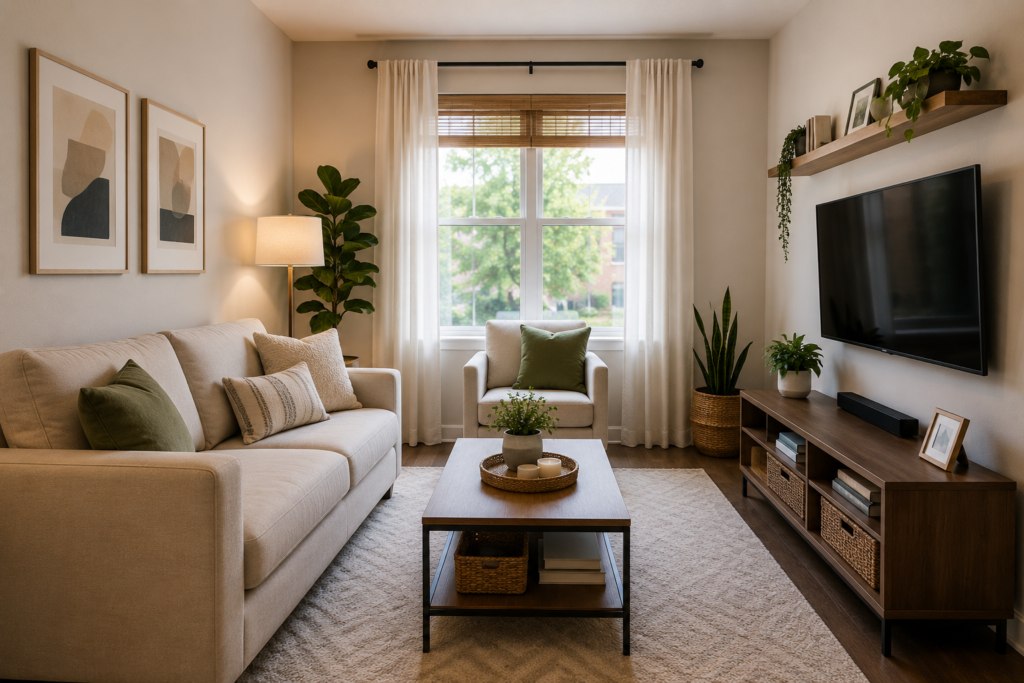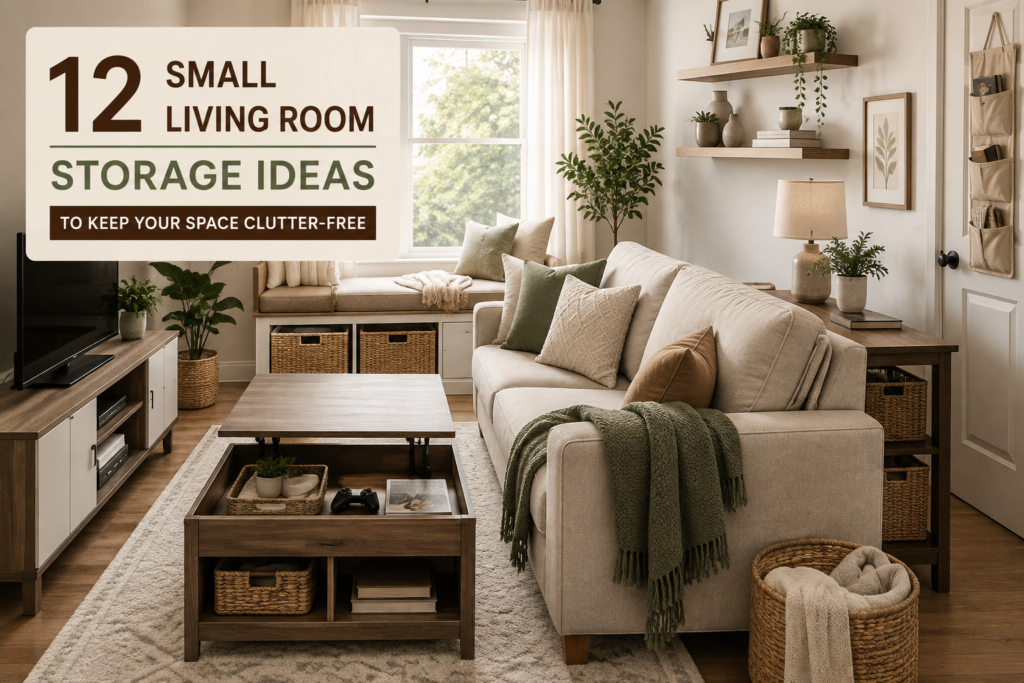
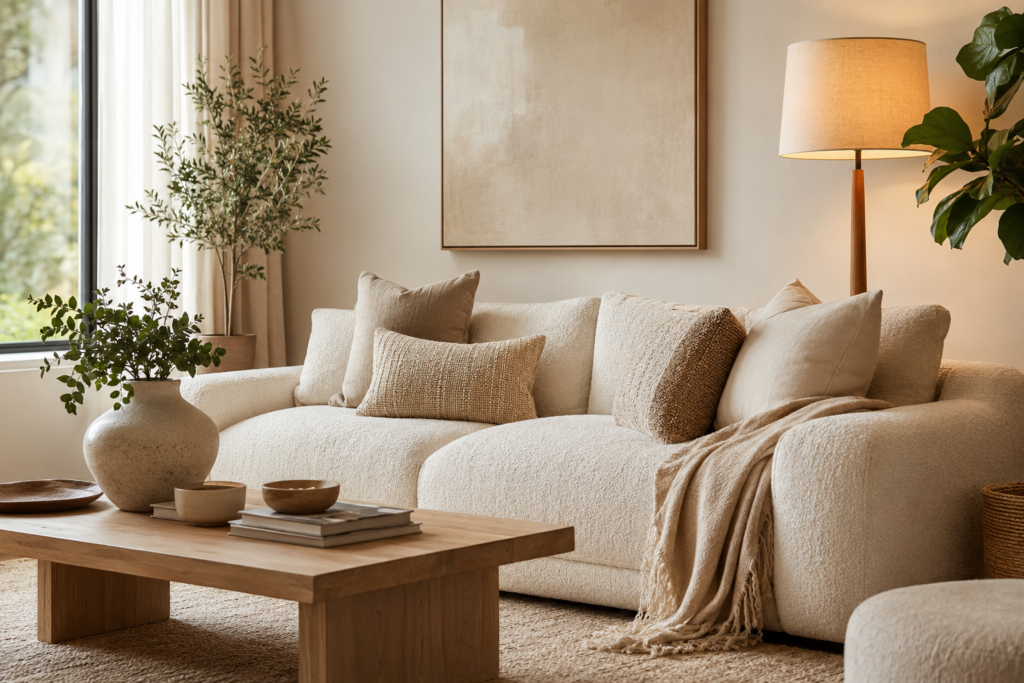
Cozy living room ideas on a budget begin with comfort, light, and thoughtful arrangement rather than a long shopping list. Use what you already own first, then add only the pieces that solve a clear need.
Start by improving conversation flow and evening lighting. These cozy living room ideas on a budget favor thoughtful reuse before any new purchase. Introduce washable textiles, natural texture, and personal details gradually so the room remains easy to clean and genuinely useful.
Table of Contents
- Warm the Room With Layered Lighting
- Rearrange Furniture for Conversation
- Add a Soft Throw Blanket
- Use Cushion Covers for Color
- Bring in Natural Textures
- Style a Simple Coffee Table
- Add Curtains for Softness
- Display Personal Photos Carefully
- Use Warm Neutral Colors
- Add One or Two Plants
- Create a Reading Corner
- Reduce Visual Clutter
- Cozy Living Room Ideas on a Budget: Final Checklist
- Frequently Asked Questions
Warm the Room With Layered Lighting
Combine general lighting with a floor or table lamp at seating height. Separate light sources create a softer evening atmosphere than one bright ceiling fixture.
Use efficient bulbs in a consistent warm color range and follow fixture wattage limits. Position cords outside walking routes.
Rearrange Furniture for Conversation
Angle chairs toward the sofa and keep tables within comfortable reach. Moving existing furniture can improve the room without any purchase.
Preserve a clear path through the room and avoid blocking doors, vents, or heaters. Test the layout for several days.
Add a Soft Throw Blanket
One washable throw adds warmth, texture, and color to a sofa or chair. Choose a fabric that suits the household’s climate, pets, and care routine.
Fold or drape it in one defined place so it remains useful rather than becoming clutter.
Use Cushion Covers for Color
Changing cushion covers is less expensive and easier to store than replacing complete cushions. Repeat one accent color in two or three places.
Check insert dimensions and choose washable closures. Avoid buying multiple sets without a clear seasonal plan.
Bring in Natural Textures
Wood, woven baskets, linen-like fabrics, and ceramic surfaces can make neutral rooms feel warmer. Introduce texture through items that also serve a purpose.
Keep the palette limited and check that baskets or rough surfaces will not snag upholstery.
Style a Simple Coffee Table
Leave enough open surface for drinks, books, or daily use. A tray can group a remote, coaster, and one decorative object.
Keep candles and breakables appropriate to the household. Remove items that must be moved every time the table is used.
Add Curtains for Softness
Curtains add fabric, privacy, and visual height when hung carefully. Measure the full rod width, finished length, and window operation before buying.
Keep fabric clear of heaters and follow child-safety guidance for cords. Wash or vacuum according to the care label.
Display Personal Photos Carefully
A small group of meaningful photos makes a room feel lived in without filling every surface. Repeat frame colors or materials for cohesion.
Use secure hanging hardware and avoid heavy glass frames over seats. Rotate images rather than adding new frames continuously.
Use Warm Neutral Colors
Cream, taupe, clay, muted green, and soft brown can create warmth while remaining flexible. Test paint and fabric samples in morning and evening light.
Use the undertones already present in flooring and large furniture to guide the choice.
Add One or Two Plants
A suitable plant can add life and soften hard edges. Select it for the room’s real light, temperature, and care schedule.
Use a watertight saucer and choose pet-safe species when relevant. Artificial greenery is a practical alternative in dark rooms.
Create a Reading Corner
Pair an existing chair with focused light, a small surface, and a place for one or two books. A corner becomes useful when every item supports the activity.
Keep the lamp stable and cords tucked away from feet. Borrow furniture from another room before buying new pieces.
Reduce Visual Clutter
Clear one surface at a time and group small necessities in a drawer or basket. Removing excess objects often changes the room more than adding décor.
For structured storage, explore our living room organization ideas. Donate responsibly and keep a small reset routine.
Cozy Living Room Ideas on a Budget: Final Checklist
Check that seating supports conversation, lamps serve real tasks, and paths remain clear. Repeat a restrained color palette through textiles and personal objects.
Set a spending limit and wait before each purchase. The CPSC Anchor It guidance is also useful when rearranging tall furniture or storage.
Frequently Asked Questions
How can I make a living room cozy without buying furniture?
Rearrange seating, layer existing lamps, remove visual clutter, and bring out stored throws, books, and photos. These changes can reshape the atmosphere at no cost.
Which inexpensive change has the most impact?
Lighting often has strong impact: use more than one light source and choose bulbs with a consistent warm appearance, within fixture specifications.
How do I keep a cozy room from looking cluttered?
Limit each surface to a few useful or meaningful items, group small objects on a tray, and maintain open areas around seating and walkways.
Set a Comfort Budget Before Shopping
A cozy room comes from lighting, texture, layout, and personal meaning—not the number of new accessories. List the discomfort first: harsh light, echo, cold floors, poor seating arrangement, or an empty focal point. Spend on the change that solves the clearest problem, then reuse or rearrange what you already own.
Scroll sideways to read the full table.
| Priority | Low-cost action | When to spend more |
|---|---|---|
| Lighting | Reposition lamps and use warmer compatible bulbs | A dark task area needs a suitable fixture |
| Texture | Rotate throws and cushion covers | A durable rug solves cold or echo |
| Layout | Move seating into a conversation group | Only when furniture scale is clearly wrong |
| Personality | Frame existing art or family photos | For one meaningful focal piece |
Layer Light for Real Activities
Use ambient light for general movement, task light beside reading or work areas, and a small accent source for depth. Confirm bulb type, wattage limits, and fixture compatibility. Keep cords out of walking routes and away from heat or pinch points. Candles require continuous supervision and clearance; battery-powered alternatives can provide a similar glow where an open flame is unsuitable.
Use Textiles With a Maintenance Plan
Choose washable covers and throws when children, pets, or frequent snacks are part of the room. Measure the sofa and floor before buying. A rug should suit the furniture arrangement and should not create curled edges or a slipping hazard; use an appropriate pad when needed.
A Three-Stage Refresh
- Free: declutter surfaces, improve furniture flow, and display meaningful objects.
- Small spend: change one light source, cushion cover, or storage basket that solves a defined need.
- Considered purchase: add a rug, curtain, or durable lamp only after measuring and comparing maintenance.
Avoid Expensive “Budget” Mistakes
- Buying many small decorations without a focal plan.
- Using oversized furniture that blocks comfortable movement.
- Covering every surface and making cleaning harder.
- Choosing textiles that cannot handle the household’s routine.
- Placing fabric, cords, or furniture too close to heaters or vents.
Stop when the room supports conversation, rest, and the activities that actually happen there. Open space and good lighting often add more comfort than another decorative purchase.
Budget-Cozy Living Room Questions
What change creates the biggest effect?
Improving the main lighting problem and arranging seating for the room’s real activity usually changes comfort more than adding many decorations.
How many cushions are enough?
Enough to add support and texture without removing them whenever someone sits. The right number depends on sofa size and household habits.
Should every surface be decorated?
No. Open surfaces improve visual calm, cleaning, and daily use. Select a few meaningful objects rather than filling every table and shelf.